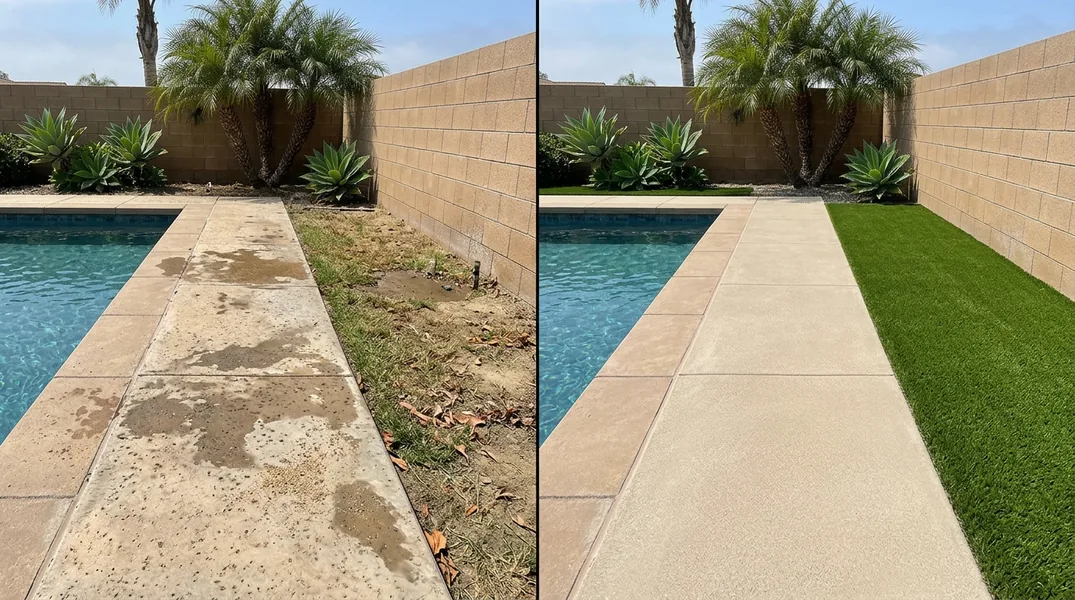
Why HOAs Are Increasingly Approving Artificial Grass in North County
Homeowners associations throughout North County have traditionally maintained strict landscaping standards, often requiring live turf and natural plantings. However, the conversation around artificial grass has shifted dramatically over the past five years. Water conservation, maintenance costs, and the improved aesthetics of modern synthetic turf have made Residential Artificial Grass Installation an attractive option that many HOAs now actively support or at least seriously consider.
In Oceanside and surrounding communities, drought conditions and state-mandated water restrictions have pushed HOA boards to reconsider their policies. Many boards recognize that a well-installed artificial grass yard actually enhances curb appeal while eliminating the brown, dormant look that natural lawns develop during dry seasons. This shift in perspective means homeowners are no longer fighting an uphill battle when proposing synthetic turf for their front yards.
Understanding California HOA Turf Rules and Restrictions
California state law does not ban artificial grass outright, but it does grant HOAs broad authority to establish architectural and landscaping guidelines. The California Civil Code allows homeowner associations to enforce CC&Rs (Covenants, Conditions, and Restrictions) that govern exterior modifications, including front yard landscaping. However, California also has strong consumer protections and water conservation mandates that work in favor of artificial turf installations, creating a legal environment where synthetic grass can coexist with HOA rules.
Most North County HOAs have one of three approaches to artificial grass. Some prohibit it entirely, citing concerns about appearance or neighborhood character. Others allow it only with prior written approval and specific material standards. A growing number have embraced it enthusiastically, particularly in communities where water restrictions are a real concern. Before you invest in any artificial grass project, you need to know exactly where your HOA stands. Check your CC&Rs, review any design guidelines your association publishes, and contact your HOA board directly to ask about their current policy on synthetic turf for front yards.
The HOA Submittal and Approval Process for Front Yard Artificial Grass
If your HOA allows artificial grass with approval, you will typically need to submit an Architectural Review or Design Modification request. This formal submittal is your opportunity to present your project clearly and persuade the review committee that your installation meets community standards. Most HOAs require you to include specific details: the brand and product line of the artificial grass, installation specifications, a site plan or photo showing where the turf will be placed, and sometimes samples of the material itself.
The approval timeline typically ranges from two to four weeks, though some HOAs move faster. To speed up the process, provide complete information on your first submission. Incomplete applications often get rejected and sent back for revision, adding weeks to the timeline. Include high-quality photos of your current front yard, clear measurements, and ideally, a rendering or mock-up showing what the finished project will look like. If you are working with a professional installer like Oceanside Artificial Grass Installation, ask them to prepare the submittal documentation for you. Many experienced installers have successfully navigated this process dozens of times and know exactly what language and supporting materials will resonate with your specific HOA board.
What HOAs Look for in Artificial Grass Specifications
HOA review committees evaluate artificial grass based on several key factors. Appearance is paramount: the turf must look natural, with realistic color variation, appropriate blade height, and a texture that matches what homeowners expect from quality synthetic grass. Most modern artificial turf products meet these standards, but budget materials with a plastic sheen or overly uniform color can trigger rejection. When you submit your application, choose a mid-range to premium product line that features multiple color tones and a natural pile structure.
Durability and maintenance standards matter equally. HOAs want to ensure that your artificial grass will not degrade, fade, or become an eyesore within a few years. Specify the product's UV warranty, expected lifespan, and drainage characteristics in your submittal. Many HOAs also require that you commit to regular brushing and occasional cleaning to maintain the turf's appearance. Carlsbad and Vista HOAs frequently ask about infill materials and whether the product is pet-friendly, even if you do not currently own a dog. Addressing these concerns proactively in your submittal demonstrates that you have thought through the long-term implications of your project.
Common HOA Objections and How to Address Them
Even in communities where artificial grass is permitted, HOA boards sometimes raise concerns during the review process. One of the most common objections is that synthetic turf looks fake or cheap. Counter this by submitting samples of premium products and photos of completed installations in similar neighborhoods. Modern artificial grass is nearly indistinguishable from natural turf when installed by professionals, and your submittal should showcase this quality clearly.
Another frequent concern involves drainage and environmental impact. Some HOAs worry that artificial grass will prevent water from soaking into the soil or that it will contribute to runoff problems. Address this head-on by specifying a permeable base system and explaining how your installation will maintain proper drainage. If your HOA has concerns about heat retention or surface temperature, mention that modern artificial grass products are engineered to minimize heat absorption and are safe for children and pets.
A third objection sometimes centers on neighborhood uniformity and property value. Some board members fear that artificial grass will lower home values or create visual inconsistency. Research and cite studies showing that well-maintained artificial grass can actually enhance curb appeal and property values, particularly in drought-prone regions like Southern California. If your neighborhood is already diverse in landscaping styles, use that as evidence that variation is already part of the community character.
Working with a Local Installer to Streamline HOA Approval
Partnering with an experienced local installer can dramatically simplify the HOA approval process. Professional installers in San Marcos, Oceanside, and surrounding areas have established relationships with local HOAs and understand their specific requirements and preferences. They can recommend which products and installation methods will pass review most easily and can prepare professional documentation that speaks the language HOAs expect.
When you contact Oceanside Artificial Grass Installation at (760) 496-5579 for a free estimate, mention that you need HOA approval. The team can advise you on your community's likelihood of approval, help you prepare a strong submittal, and in some cases, communicate directly with your HOA board. Professional installers also stand behind their work with warranties and maintenance guidance, which gives HOA review committees confidence that your project will remain attractive for years to come. This third-party credibility often makes the difference between approval and rejection.
Looking for a professional artificial grass installation company in Oceanside? Oceanside Artificial Grass Installation responds fast for all your artificial grass installation needs.
Get a Free Quote